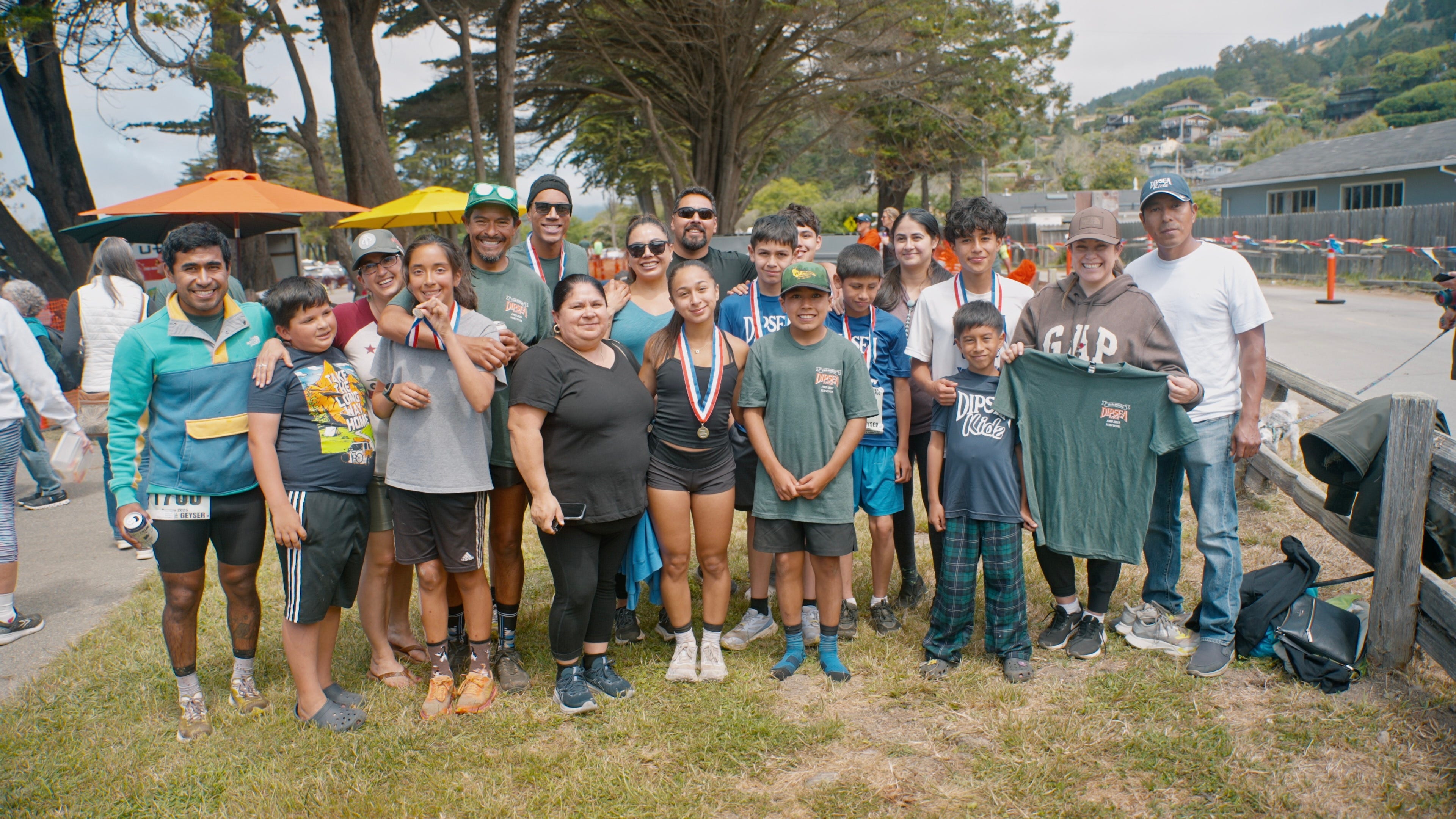
Dipsea Generations is Live!
It toured 8 film festivals and now it's in your living room.

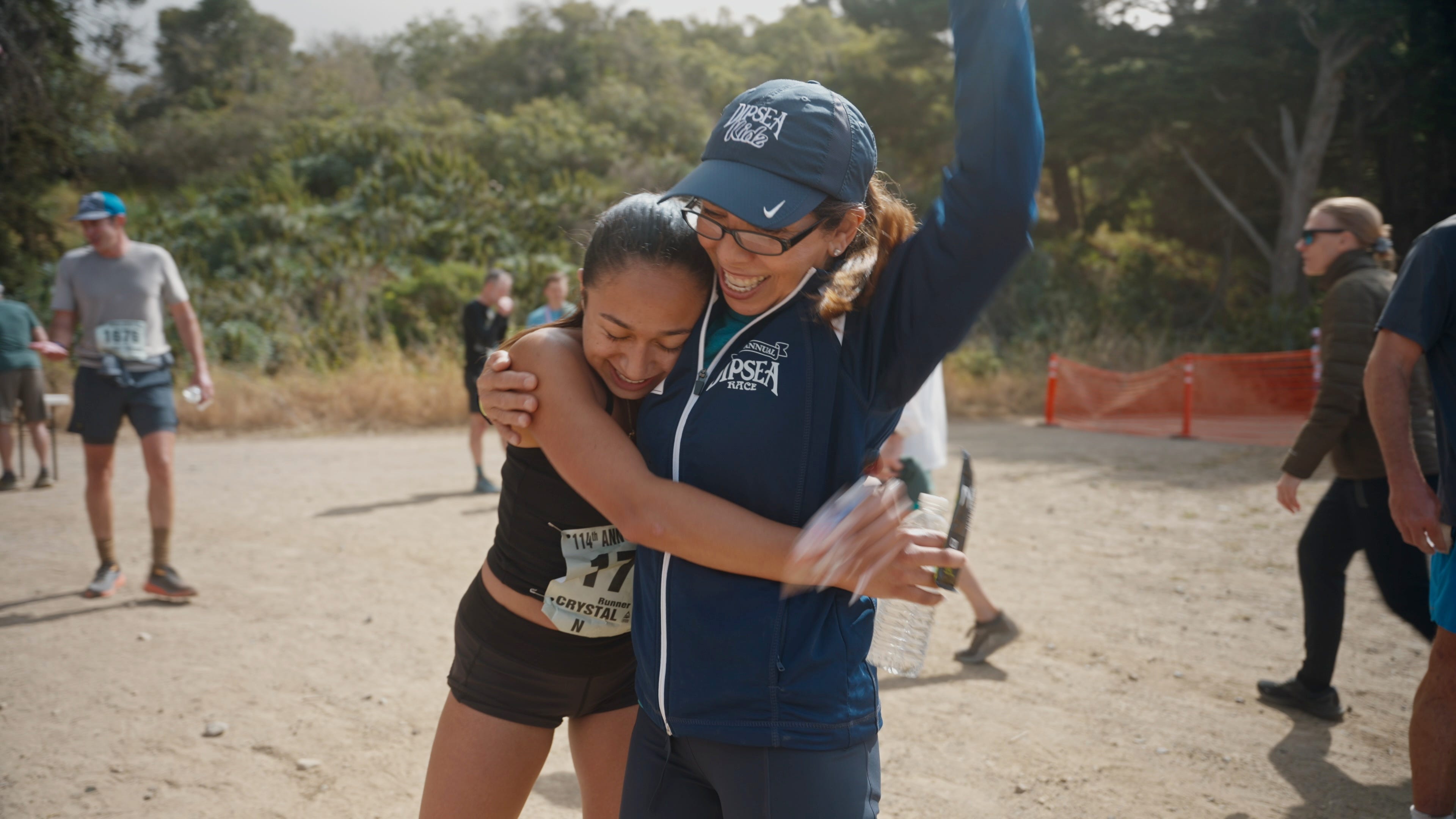
Creating documentaries is hard work and today everyone gets to view the product of that hard work. I’m excited to finally make this doc public. It’s been about a year since we wrapped filming and about 8 months since we had the first premiere. Since then, it’s been touring around eight different film festivals and we’ve only heard good things from those who’ve seen it. Up to this point, it’s been a self selecting crowd that definitely had a higher likelihood of enjoying it. Now anyone can watch it and I’m so curious what the public response will be. Will people like it? Will people even watch it? Maybe it will just fade into the background of never ending YouTube content.
I’m curious but it doesn’t matter. I’m proud of what we created and I’m already stoked on the reception it’s had. The process of creating this was in itself the reward. I know that sounds tacky but it was. Although, I wouldn’t have told you that during production; I now see it that way.
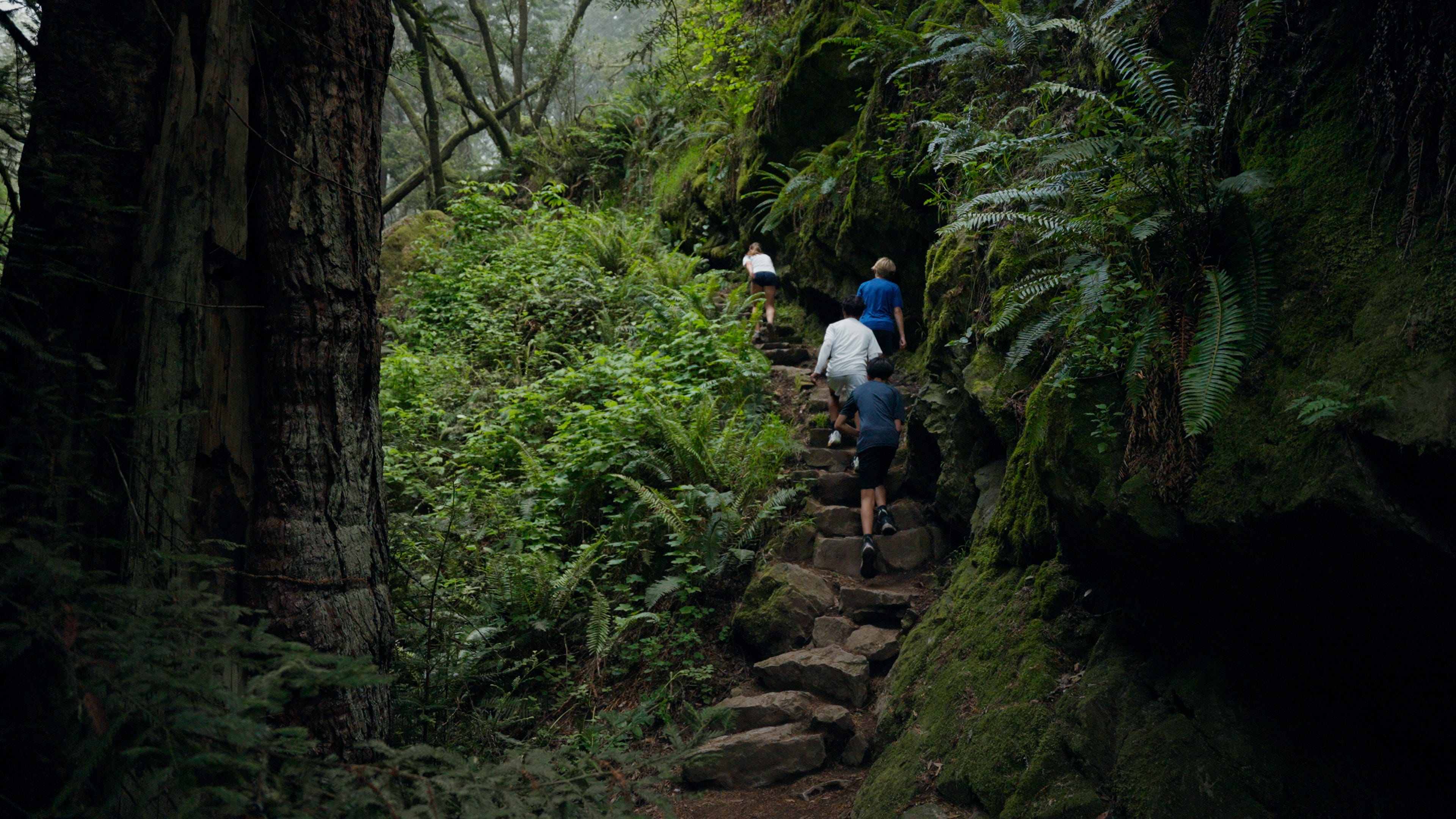
Docs are hard.
Starting is always fun. There is energy, we dream about what we could do, and there are fun meetings and milestones with friends. I got to work along side one of my closest friends, Paddy O’Leary, another friend who was my original inspiration for getting into camera work, Ryan Scura, and a newer friend who had been helping me edit on other projects, Nicole Amyx. There is so much more I could say about each of these people and how awesome they are but we have a lot to cover today so you’ll have to meet them in person someday.
Production
This was my first time working on a team with so much overlap. Ryan, Nicole, and myself all had editing and camera experience. We each have our own strength and weaknesses that balanced out but this overlap allowed us to divide up the on-location filming. This leads to the first hard part, scheduling shoot days with the subjects, their families, and our team. Everyone is busy and often this led to very long email chains trying to find the perfect date. The kids and families we had to film were local but some of them were 2-3 hour drives one way. We were lucky Paddy was unemployed at the time. As the director, he had to show up more than any of us and all the scheduling fell on his lap. The rest of us wrestled with timing between other gigs or family obligations.
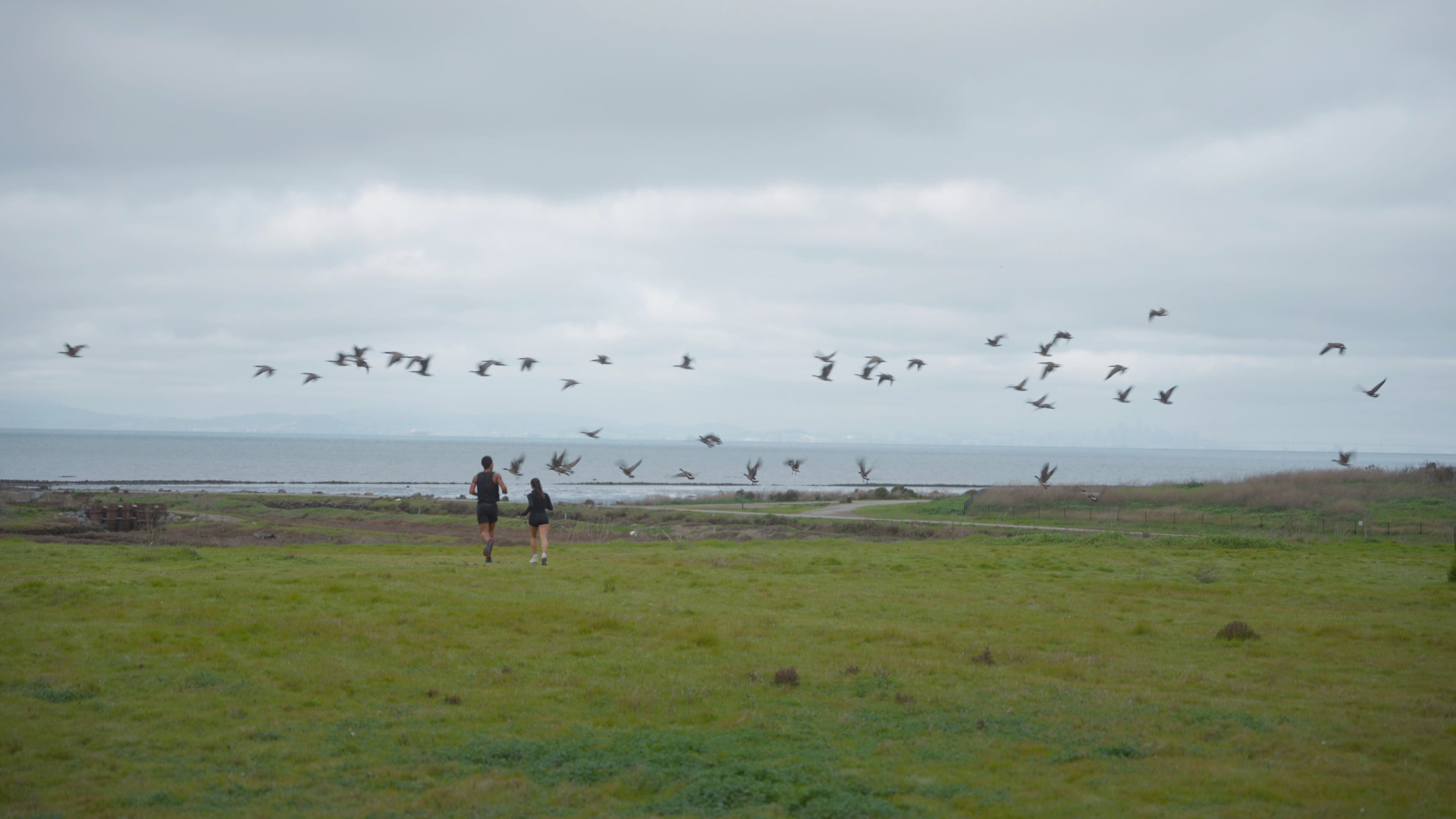
I look back on this part with a bit of regret. I wish I could have been more present for the filming days. At the time I had been dealing with burnout, overwhelm, and a sense of failure at my normal day to day of photo and video making. These stressful feelings caused me to back out of many filming days I had said yes to so I could focus on client work. It was nice to know I had a team that could handle things without me. But I know they wanted me there. And I wanted to be there. It’s always more fun together. Even those long car rides were a good time. Not just for the connection with them, but also for the connection with our subjects. I didn’t get to know all the families and kids because of this. I watch our film now, fall in love with all the characters, and wish I had prioritized it. At the time, it felt important to work on whatever client project was pressing. I was stressed out to make social media videos that have passed while this doc has lived on, become a beautiful film, and has brought so much positive change to the people in it and to those who’ve seen it. It’s growth for me and hopefully next time, I will be more involved.
Documentary filmmaking isn’t known for being a money maker. Filmmakers know, when you have a passion project like this, part of the artistic constraints of the process is fitting it into your life with everything else. It’s what makes it hard and also special.
Post-production
It might have been like a week after The Dipsea Race in 2025, our final day of filming, that Nicole had an assembly ready. For those of you not in “the biz,” an assembly is a super rough draft of a film. There are usually tons of holes but the bones and structure are kinda there. This is a big moment as you’re no longer staring at a blank screen. Now we have something to consider and fill in. I don’t know how Nicole did it. It seems to be a bit of a super power of hers. She also did this on another film we worked on. It’s impressive because I struggle with this part. With a seemingly endless amount of possibilities, it’s hard for me to make progress on assemblies. I was super thankful she had tackled it so quickly. The rest of the edit did go well and I mostly leaned on Nicole and Ryan to handle it. Again because I had a busy summer lined up with the June and July race schedules. I did get to dive in though and had some fun editing scenes; some that I had filmed and some I hadn’t filmed.
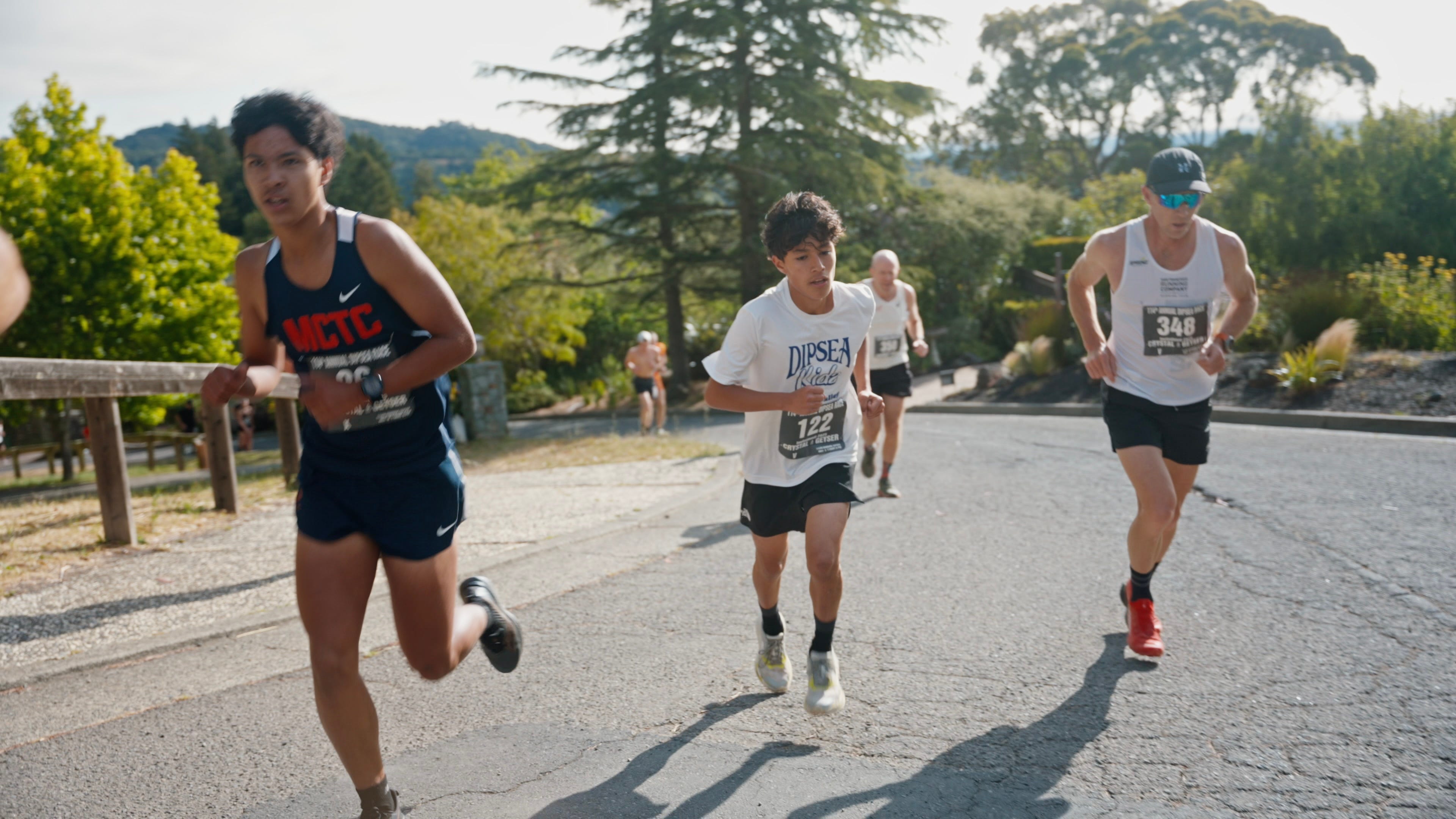
One challenging scene in particular was the race. I think all of us struggled a bit on this one. It’s hard to change tempo from a slower story to a fast paced race. In some ways, the race wasn’t super important. Or rather the outcome wasn’t. The experience the kids had was the story, but this made it even harder to edit. With my usual ultramarathon race work, there is more of a story within the race to tell. There are moments when you can interact with the runners that adds to the story. When I work on shorter races, you can lean into a funky edit to carry a sixty second Instagram recap. This was different. How do we make the race exciting without fancy editing and without much interaction? We had six people out there filming that day and about seven people to film. For how difficult it is to film and move around this race, I think we did a good job. But I still don’t love our race scene and I cringe every time I watch it.
During my time editing, I had many moments of, “What are we even doing with this?” Or, “Does this matter? Do we just cut it?” Which are good questions to ask but were paralyzing for me. Again, I leaned on our team. Ryan and I did a few power hours where I would edit for a bit, then call him, chat about it, then edit some more. And moments like that pushed me forward. More growth and connection.
Comparison
Ah, the theft of all joy. It was the only negative part of working with such a skilled team. In some ways it pushed me and supported my own growth, but there were moments when I felt like an imposter. Some of the scenes and kids I had filmed solo and those looked a lot different in the film. In my head, that was a bad thing. And I struggled to edit those sections feeling like we had similar shots for all the kids except the ones I filmed. It wasn’t until one of the last days of editing that I admitted that to Ryan. He immediately reframed it. Different was good! It added variety to the film and he actually really liked the scenes I had filmed. Another moment of growth.
Thankful
Making docs it hard, but incredibly rewarding. I love what we created and that we did it as a team. I love that our community supported us and trusted us with crowdfunding before we had made anything. I loved every premiere we did. Bringing the community together to see the film felt otherworldly. To see the kids embrace their stardom and enjoy being part of the viewings was so cool. We even got on live TV! To make it into eight different film festivals was epic, even if we didn’t get into Mill Valley which we think we should have.
Yes, making this doc was challenging in many ways from me, but I grew from it and that’s the point. In art, we pour ourselves into something we care about and are transformed by the process. I am a different Tony, a better Tony for having been a part of this doc and I hope you enjoy it.
Thank you to all the folks who supported us, were part of making this film, were in the film, who came to our premieres, and of course, thank you Paddy, Ryan, and Nicole for being the best filmmaking team there is. Can’t wait for the next one.