Authenticity
In Pursuit of an authentic experience.

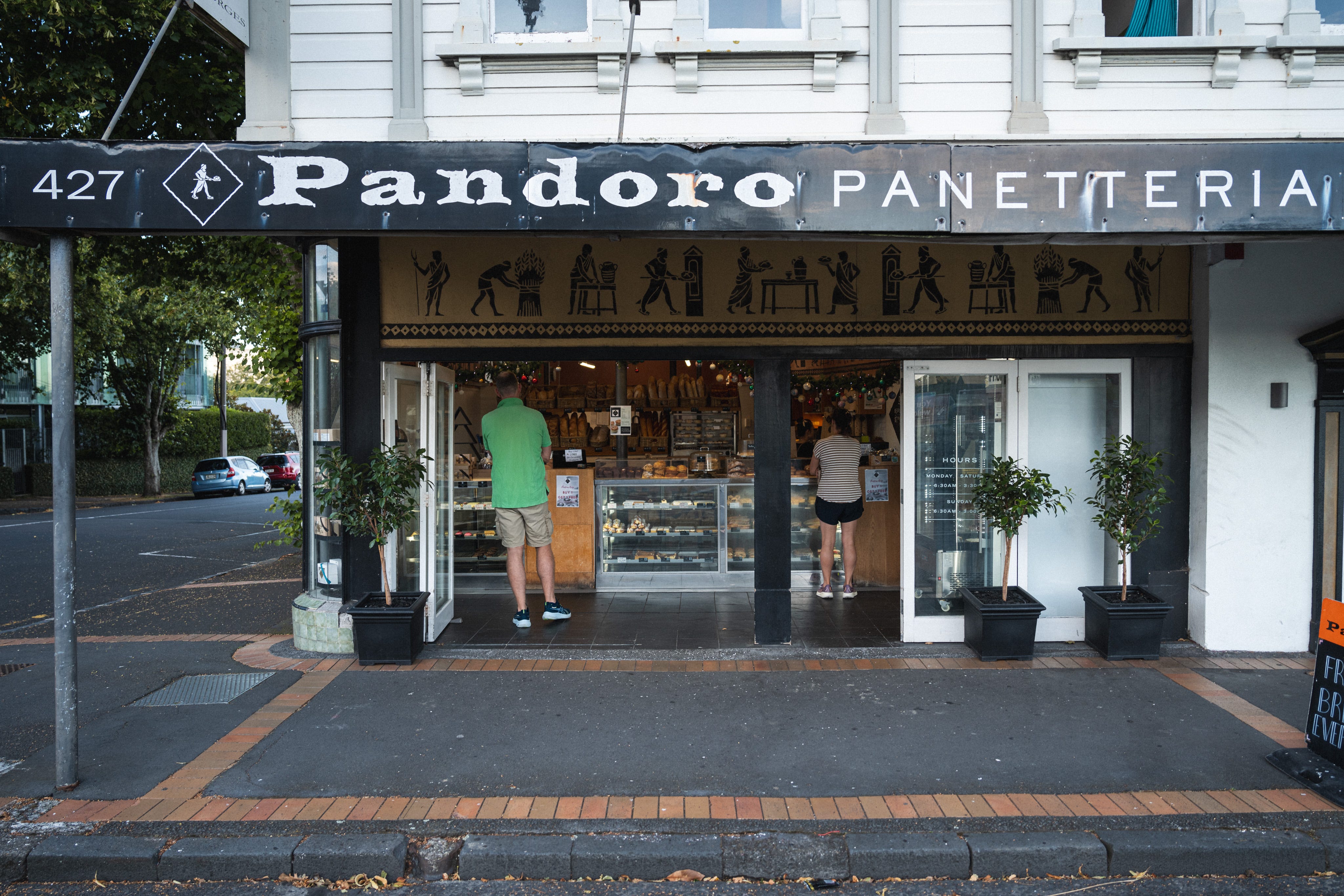
The year was 2012, I was on a vacation in St. Lucia with college friends. One night, we were searching for the authentic cuisine of the island nation. We asked many locals where we should eat and multiple times we heard, “The Petit Piton.” We heard it so much we figured we had to go. We showed up and it was a tourist trap making food catered to American tourists who wanted a burger and fries. We laughed. We were played. All the locals knew that was the safe place to send us. The following night we went out on our own, ate street meat, bought a small tinfoil ball of weed from a guy at a bar, watched cricket with the locals, and danced our booties off at a local club where we were definitely the only tourists.
It was a fun time and probably one of the only authentic experiences I’ve had abroad.
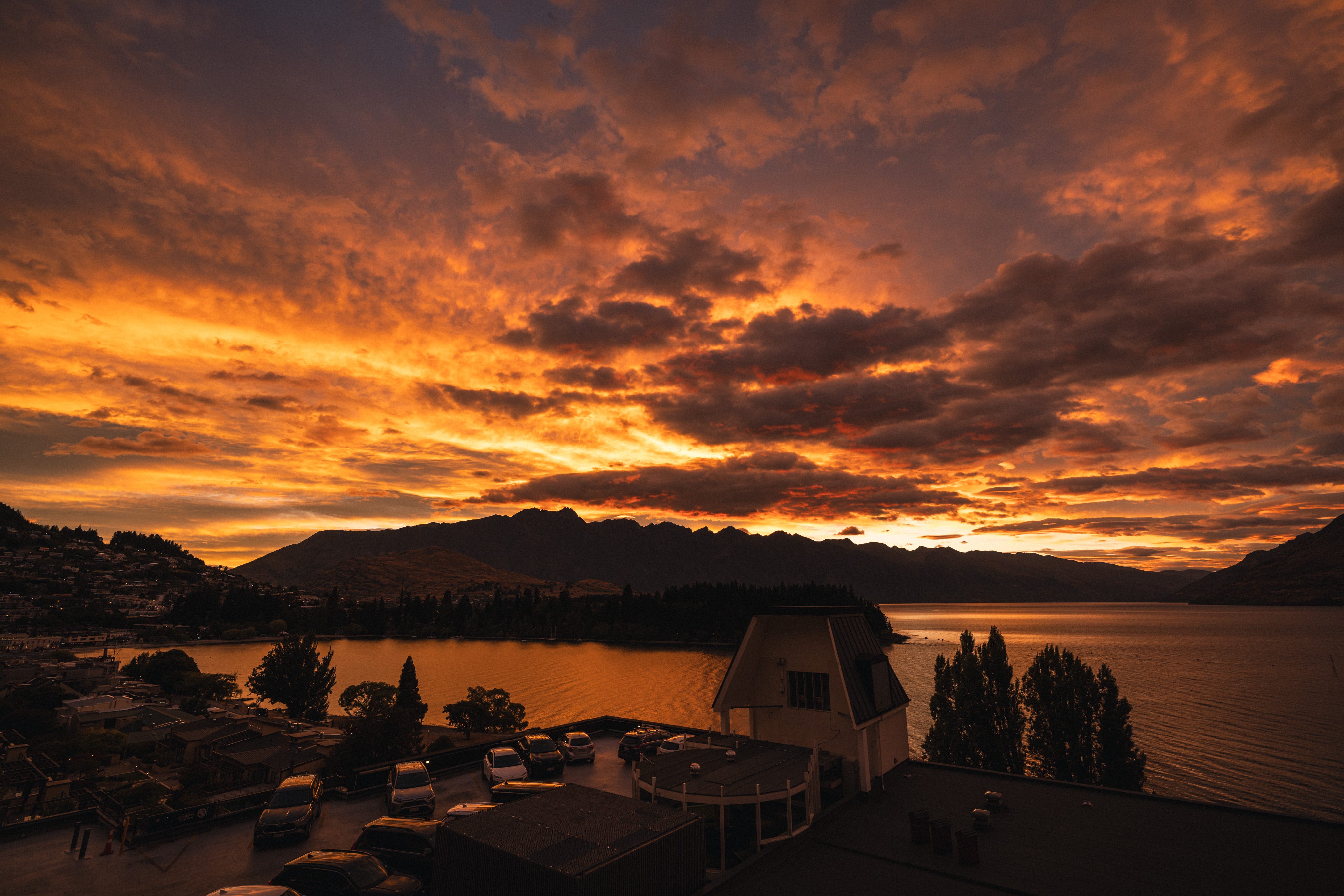
I’m just returning from a two-week honeymoon in New Zealand, a place that’s been on my list for a long time, and it has me thinking about the tourism industry and what an actual authentic experience is like.
“Authentic” has become a bit of a buzzword recently. We’re seeing consumers seeking it out in the Brands they buy from and the influencers and content they want. So what even is it? And can we even obtain it? I like to think of it as someone or something being true to its nature. An American cuisine restaurant on a small Caribbean island nation is probably not authentic.
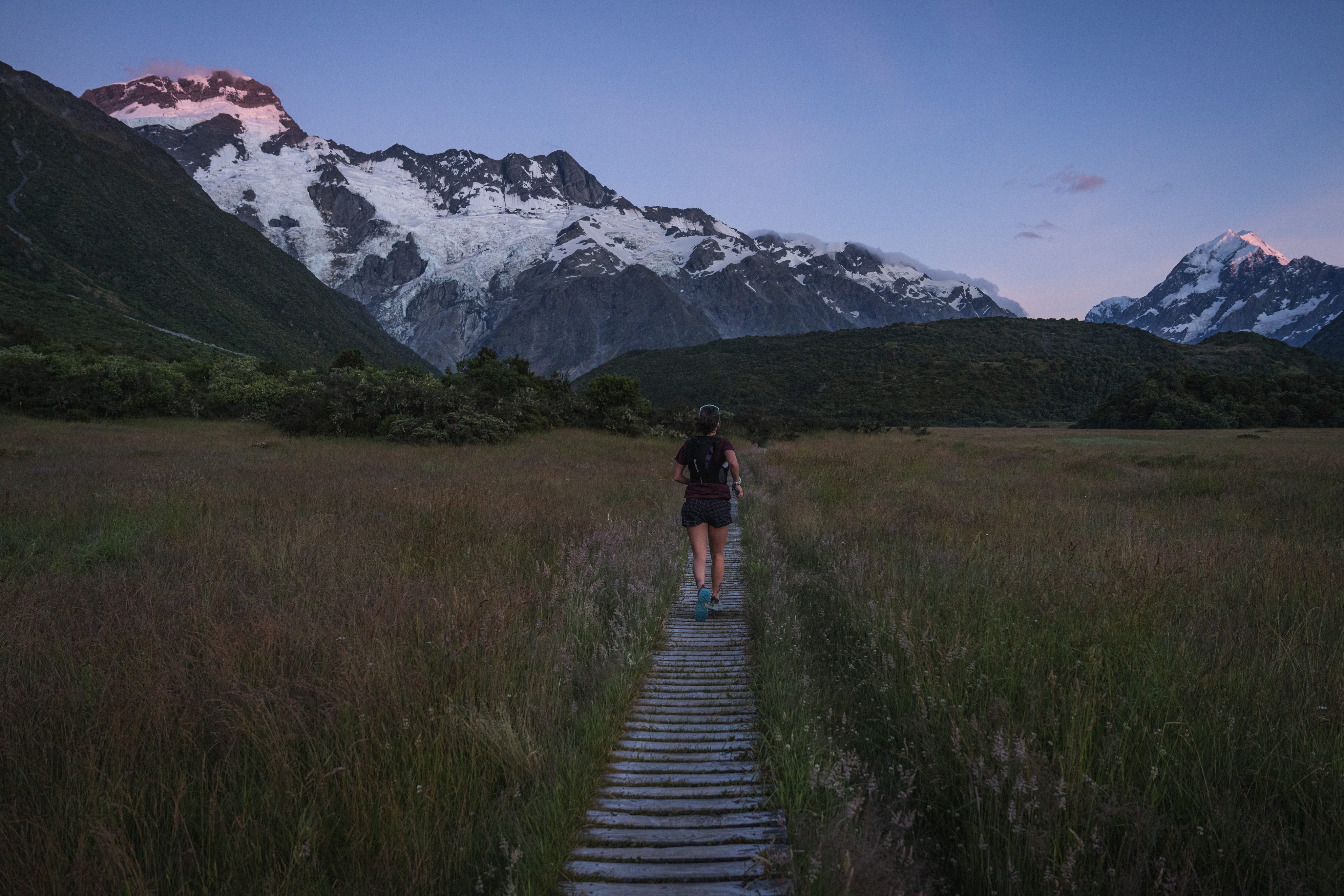
As a trail runner, I’m often running on the beautiful trails of the places I visit. Although, if I think about it. These are curated experiences. Someone made these trails. Someone decides when you’ll go up and down. Whether you take switchbacks or hike straight up to reach the peak. What areas you avoid and what peaks you can even reach. Heck, most, maybe all of our experiences in the outdoors are curated. Rock climbers climb established routes, hikers and bikers are on the same trails as runners, rafting is guided and sometimes water levels are gifted via the dam upstream. Are we truly having authentic experiences in nature? Of course, there are many times backcountry options where trails disappear. These seem like the most authentic experiences but are enjoyed by only the most skilled and the fewest of outdoor enthusiasts.
Let’s not even get started on the thrill-seeking side of the outdoor tourism industry with its Shotovers, bungee jumping, and zipline or rope courses. As if the outdoors weren’t interesting enough, weren’t thrilling enough. Maybe a sign we’ve made it too boring by making it safe.

Never Stop Exploring
I remember visiting Ireland with the Bay Area local trail legend, Paddy O’Leary, where he’d take me on peak bagging adventures where there was no trail. If there was a peak we wanted to get to, we looked at a map, decided our course, and made our way up changing course as we read the terrain. At first, this was a very off-putting experience. Leave no trace principles of staying on the trail were screaming in my head. There were no carved paths, no parking lots, no bathrooms, no signs or markings, just the raw terrain.
Probably for good reasons, this won’t work everywhere. I do see value in preserving our natural spaces by having these curated trail experiences. It’s safer for nature and for us. But we lose something. We’re losing what it actually means to be in nature. Perhaps this loss is what keeps us from connecting more deeply with our land and respecting it as much as we should.
So back to tourism. It is a booming, multi-trillion-dollar industry today. There is money in it for everyone. It seems a reliable industry for any small nation or town that has struggled to produce other exports.
I recently learned about a small village in Newfoundland whose main industry was fishing. One day the fish dried up. Perhaps a product of commercialization and overfishing. The town was on the brink of collapse. They gathered together and decided to go all in on tourism. The entire town was transformed into a sort of Disneyland of the former fishing village culture. Tourists can come and see the show put on of a culture now dead. Now tourists are the new fish waiting to be caught in the nets of the local gift shops.
Extracting
What’s cringy to me are places that put on cultural dances or ritual shows to tourists at hotels. Think classic hula dance at a Hawaii resort. When colonizers first came to these places, they conquered and tried to erase the local cultures, now tourists come and want to see these inauthentic cultural displays. Maybe it is a good way to preserve the culture. The people have turned to the tourism industry for their careers. It’s good money entertaining tourists and that money can then be used to help rebuild and preserve the culture that was overtaken. But is it authentic? These rituals and dances were never meant for us. Now it’s a show, entertainment meant to wow tourists and give them a story to take home.
Something to take home, a story that you can use to impress others, a way to signal status. Is tourism more about what you can extract? Kyle of “Here & There” recently wrote about a photo taken in Japan of a convenience store with the backdrop of Mt Fuji. The image went viral on social media and then tons of tourists came to take that exact photo. Why? Why did so many want that photo? Just to have it? This influx of tourists caused many issues with local traffic and businesses. Kyle goes on to talk about this happening around the world.
While driving through New Zealand, there are signs on the side of the road with a little camera icon. “Take a photo here!” it screams. It’s funny to think everyone just stops in the same places and takes the same photos. Are we touring or checking boxes? It doesn’t feel very authentic although perhaps it is a good way to funnel the masses of tourists to known locations.
AI
I’d be lying if I told you we didn’t use ChatGPT to plan some of our trip to NZ. It’s really convenient and even if I don’t like the output, it’s a good way to get ideas. Although, all these ideas have come from somewhere. The AI didn’t visit New Zealand. Maybe you already see where this is going. Turns out, these AI LLMs have been trained on travel bloggers’ websites. Without permission, OpenAI and many other companies used existing knowledge to train their AIs. This means when we ask ChatGPT about recommendations we’re getting all the hard work of these travel bloggers without giving them any of the ad revenue of going to their site. These people had found a sustainable business and were bringing us useful information and now they’re struggling.
What’s more authentic here? An AI bot telling us its favorite parts or us finding a travel blogger we resonate with and seeing what they enjoyed on their trip?
Wrapping up
We recently watched the movie, “A Real Pain.” At one point Kieran Culkin’s character has a bit of a breakdown about their tour through Poland saying, “Have we even met one Polish person yet?” That might not be his exact quote but I think the points stands.
All of this leaves me thinking about how I travel. Authentic experiences always resonate more, so how can I ensure I’m getting them? I think back to the old TV series by Anthony Bourdain. When he visited places, he had local guides show him the food scene, meet local restaurant owners, and learn about the history and culture of the place. While I can’t travel like Anthony despite our names being the same, I can try to focus on the local people, try to engage with them, and try to see their home through their eyes.